
I was recently in Estonia for a NATO military training exercise. Flying in the back seat of an F-16D (two seater), I was 'gently' reminded of the importance of human factors in flight and the constant, inherent danger in combat aviation.

The sortie was designated dissimilar BFM (basic fighter maneuvering) against another NATO nation's Eurofighters. Somewhere around FL 230, I began to experience mild discomfort in my right ear. The cabin altitude should be somewhere between 8,000 and 9,000 feet.

Taking my oxygen mask down, I pinched my nose with thumb and index finger, performing a Valsalva Maneuver to relieve the building pressure. I began to read the F-16 emergency procedure checklists. I found simple comprehension of what I read elusive. It was very subtle, but I felt slightly off. Diagnosis - Hypoxia.
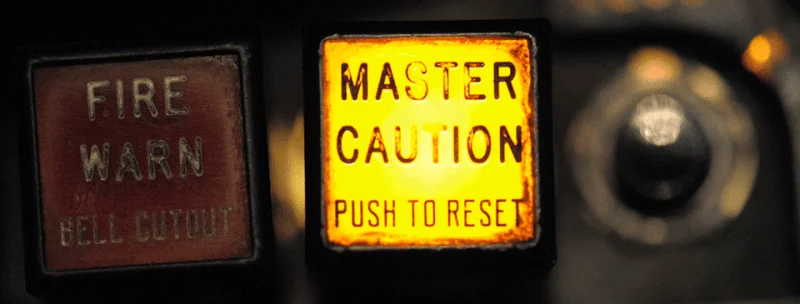
Halfway through my question about cabin altitude, the MASTER CAUTION light activated and immediately the pilot bunted the nose over and we dove into the clouds. We had certainly lost cabin pressure. The cabin altitude was 27,000 feet - as if we had been immediately dropped onto the summit of Lhotse, the fourth highest mountain in the world.
HYPOXIA TRAINING

Hypoxia is simply defined as inadequate oxygen to meet the body's metabolic needs. Aviators are at high risk of rapid, severe hypoxia that can occur within minutes or seconds if cabin pressurization is lost while flying at high altitudes. Hypoxia kills.

All pilots receive extensive training on the condition of hypoxia. In the U.S. military, aircrew receive altitude (hypobaric) chamber training as they go through their initial pilot training.
It was interesting in retrospect to validate how our hypoxia and emergency training helped us in-flight. The expanding gas in my ear and the subtle euphoria/confusion raised my suspicion to a hypobaric cockpit. The pilot's extensive training and prior memorization of emergency checklists allowed the appropriate response.