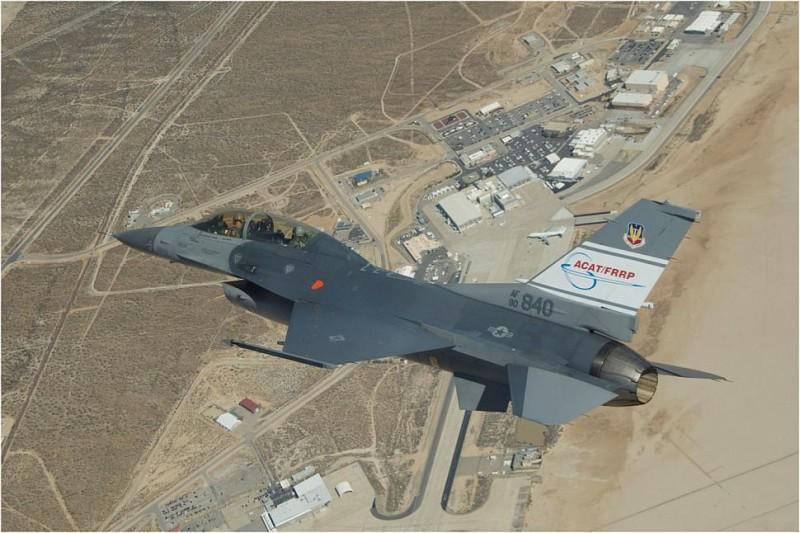

On a recent flight in a Block 40 F-16 I was introduced to the new pilot-activated recovery system (PARS). Starting at about 20,000 feet we rolled inverted and started a rapid 30 degree nose-low dive. The pilot pressed a button initiating PARS - immediately the aircraft's computer took command.
Ground Collision Avoidance Technology (GCAT)
PARS is part of the F-16's newest upgrade to avoid mishaps due to controlled flight into terrain (CFIT). The entire fleet of F-16's in the USAF received this important upgrade during 2014.
A Brief History of GCAT

The technology began development in the 1980's. The team conducted more than 556 test maneuvers during 49 flights.
Advantages & Limitations
Two of the most common human factors leading to death in combat aviation are spatial disorientation and G-induced loss of consciousness (G-LOC).

See also: Spatial Disorientation | Pulling G's
Need an FAA Medical Exam?