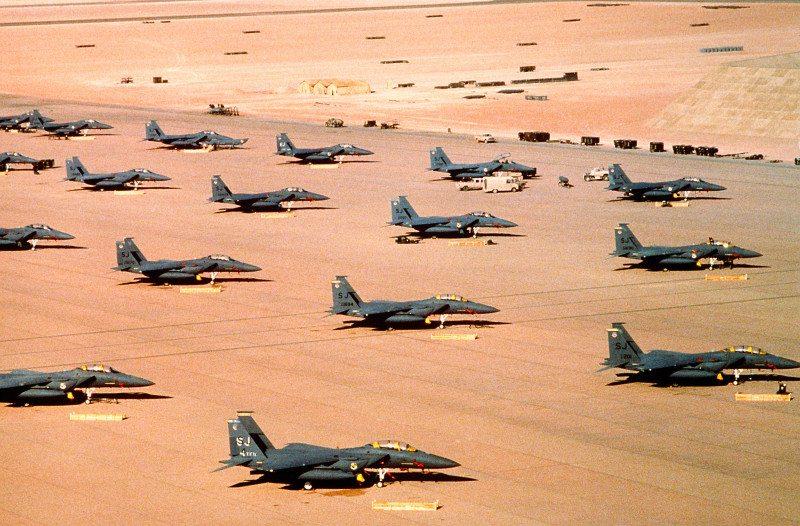

Fighter aircraft are commonly home to locations with stable weather patterns and abundant airspace. Many times these advantages for military flight operations also coincide with very high temperatures. Heat stress significantly diminishes performance and with prolonged exposure can lead to heat-related illnesses.
Unique Pilot Risk Factors for Heat Stress

- Required Aircrew Flight Equipment Layers
- Reduced Air Flow in Cockpit
- Intentional Dehydration to Avoid Urination
- Radiating heat from avionics and tactical equipment
Heat alone when controlled for fatigue and dehydration causes attention, vigilance, memory, recall, and decision-making capacity to deteriorate.
MITIGATING HEAT RELATED PERFORMANCE DEGRADATION

- Hydration - Drink plenty of fluids. Keep 1 quart per hour. If your urine is clear, you're in the clear.
- Clothing - Wear loose fitting, natural fiber clothing.
- Avoid Additional Heat Stress - Keep the jet cool preflight, park in shade.
- Acclimate - 10-14 days of exposure to adapt. Exercise during heat exposure speeds adaptation.
- Include Thermal Considerations into ORM - Use the Fighter Index of Thermal Stress (FITS).

Need an FAA Medical Exam?