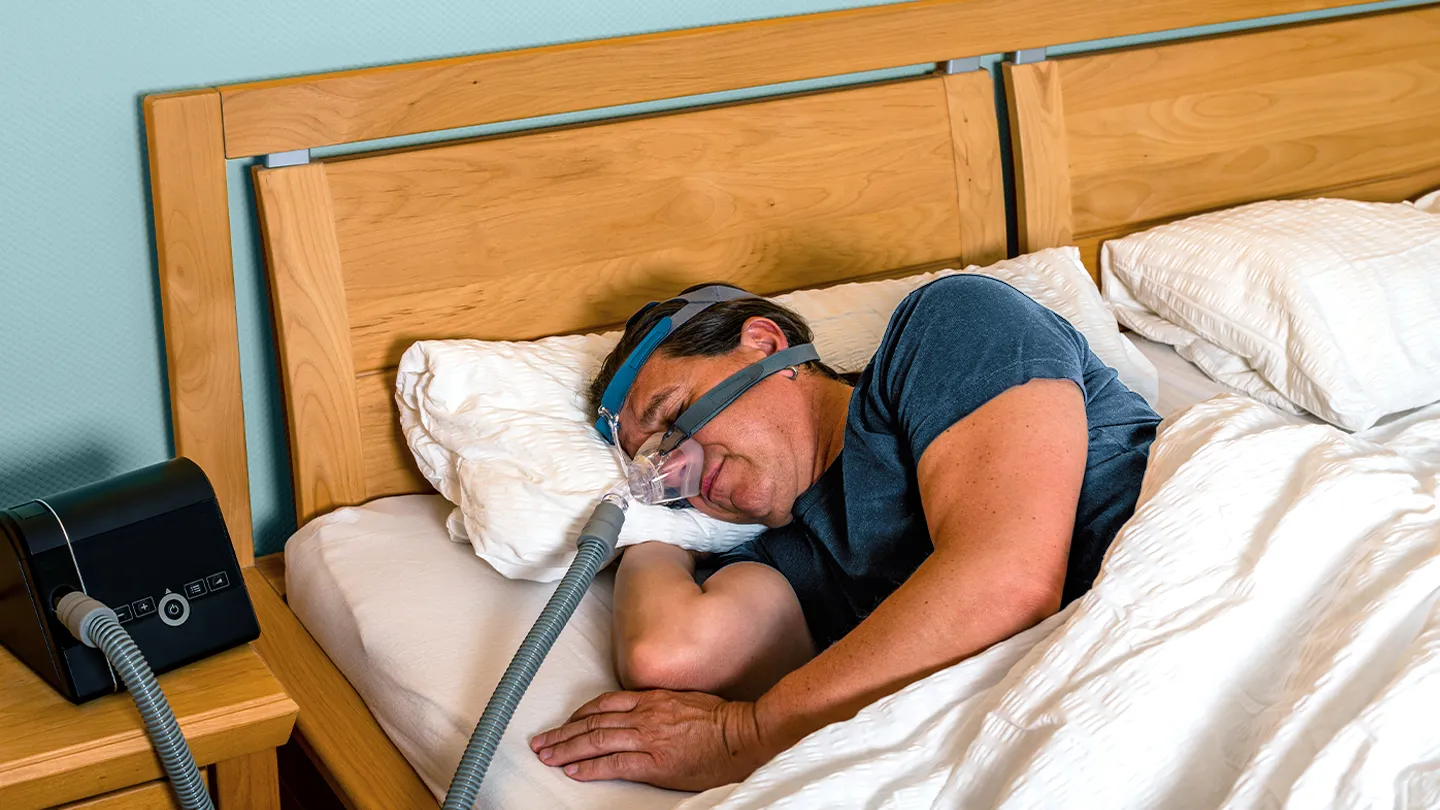
Obstructive Sleep Apnea (OSA) affects a significant portion of pilots, particularly those with higher BMIs or advancing age. The FAA takes sleep disorders seriously due to their direct impact on fatigue and flight safety. Here is your complete guide to maintaining medical certification with OSA in 2025.
Current FAA Compliance Metrics
The FAA requires pilots using CPAP therapy to demonstrate:
- 70% usage rate over 30-day rolling periods
- Minimum 4 hours per night on therapy nights
- AHI (Apnea-Hypopnea Index) reduced to <5 events/hour
- Regular sleep specialist follow-up (annually minimum)
Device Data Capture Workflow
Modern CPAP devices track compliance automatically. For FAA purposes, you will need:
- 90-day compliance report downloaded from your device or cloud portal
- Report showing usage hours, AHI readings, and mask leak data
- Physician attestation letter confirming effective treatment
Most devices (ResMed, Philips Respironics) offer patient portals where you can download these reports yourself.
Alternative Treatment Options
If CPAP is not tolerable, the FAA accepts certain alternatives:
- Oral Appliances (Mandibular Advancement Devices) - Requires follow-up sleep study confirming efficacy
- Inspire Hypoglossal Nerve Stimulator - Requires post-implant sleep study and compliance data
- Surgical Interventions - UPPP, maxillomandibular advancement (requires documentation of cure)
- Weight Loss - If BMI drops and follow-up sleep study shows resolution
AME Documentation Checklist
Bring to your FAA medical exam:
- Original diagnostic sleep study report
- Current 90-day CPAP compliance download
- Letter from sleep specialist confirming treatment efficacy
- Most recent sleep study (if using alternative treatment)
Fatigue Risk Mitigation
Even with treated OSA, pilots should practice good sleep hygiene:
- Maintain consistent sleep schedule
- Avoid alcohol before sleep
- Recognize personal fatigue signs
- Use CPAP every night, not just when required for compliance
Need help with your OSA documentation for FAA certification?
References
- FAA AME Guide - Sleep Apnea Decision Considerations
- American Academy of Sleep Medicine Guidelines
- FAA OSA Policy Statement