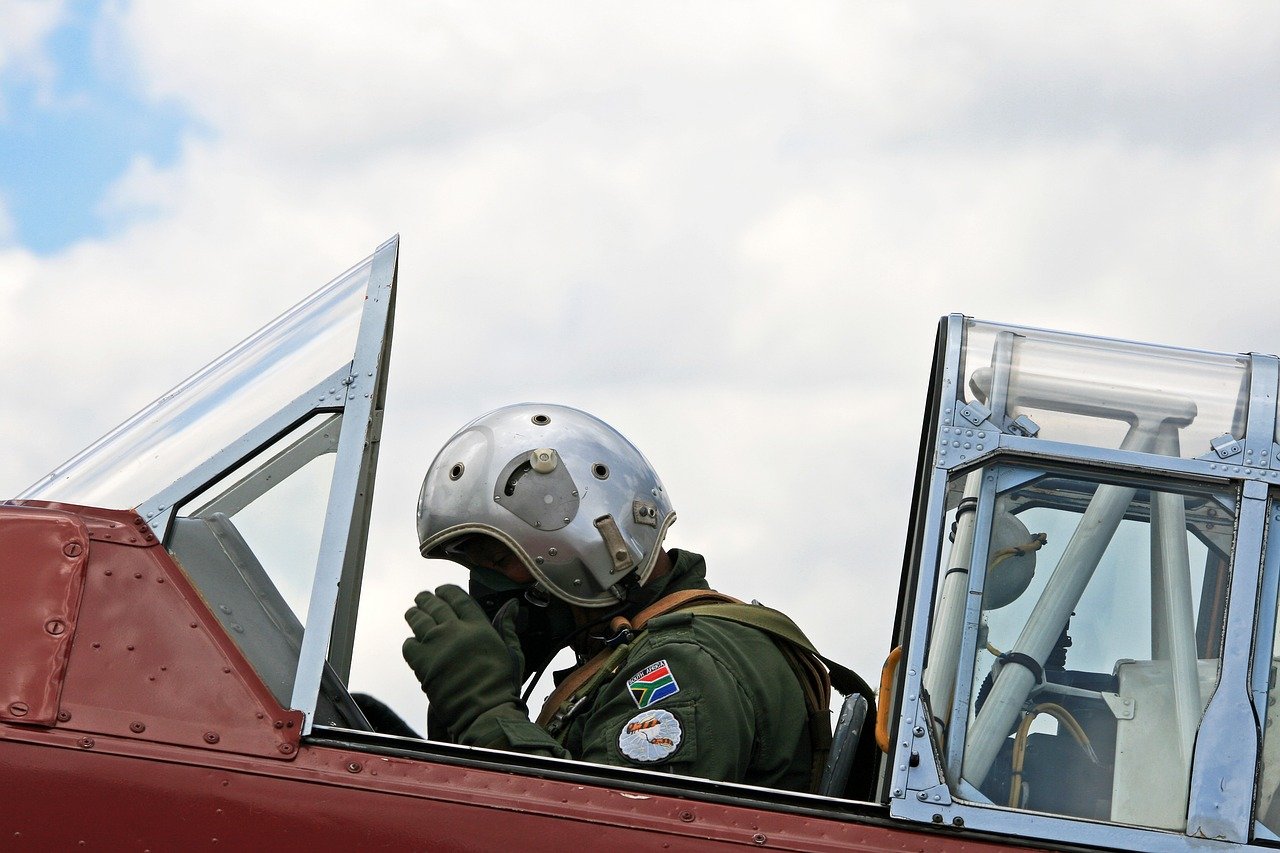
Fatigue is one of the most dangerous and insidious threats to flight safety. Unlike hypoxia or spatial disorientation, fatigue creeps in gradually — often unrecognized by the very pilot it affects. As a flight surgeon, I've seen firsthand how fatigue degrades performance in ways that mirror alcohol impairment. Studies have shown that 17-19 hours of sustained wakefulness produces cognitive and motor performance decrements equivalent to a blood alcohol concentration (BAC) of 0.05%, and 24 hours without sleep equates roughly to a BAC of 0.10% — well above the legal driving limit.
WHAT IS A FATIGUE RISK MANAGEMENT SYSTEM (FRMS)?
A Fatigue Risk Management System is a data-driven, scientific approach to managing the risk of fatigue-related errors. The International Civil Aviation Organization (ICAO) defines FRMS as "a data-driven means of continuously monitoring and managing fatigue-related safety risks, based upon scientific principles and knowledge as well as operational experience." Rather than relying solely on prescriptive flight and duty time limitations, an FRMS uses multiple layers of defense to identify and mitigate fatigue before it leads to an incident.
The Core Components of FRMS
- Fatigue Risk Identification: Collecting data from flight schedules, crew reports, incident databases, and bio-mathematical fatigue models to identify where fatigue risk exists.
- Fatigue Risk Assessment: Evaluating the likelihood and severity of fatigue-related events using quantitative and qualitative methods.
- Fatigue Mitigation Strategies: Implementing countermeasures such as strategic napping, crew augmentation, schedule optimization, and caffeine management.
- Safety Assurance: Continuous monitoring to ensure mitigation strategies are effective, including trend analysis and feedback loops.
THE PHYSIOLOGY OF FATIGUE
Fatigue in aviation is driven by two primary physiological processes:
- Homeostatic Sleep Drive (Process S): The longer you're awake, the greater the pressure to sleep. Adenosine accumulates in the brain during wakefulness, creating an increasingly powerful drive toward sleep. This is why caffeine — an adenosine receptor antagonist — temporarily masks fatigue without actually resolving it.
- Circadian Rhythm (Process C): Our internal biological clock, governed by the suprachiasmatic nucleus in the hypothalamus, creates predictable windows of alertness and sleepiness. The circadian nadir — typically between 0200-0600 and again around 1400-1600 — represents periods of maximal vulnerability to fatigue-related errors.
For pilots flying across multiple time zones, circadian desynchronosis (jet lag) compounds these effects. The body's clock typically adjusts at a rate of only about one hour per day, meaning a crew flying from New York to Tokyo may require a week to fully acclimate.
FATIGUE COUNTERMEASURES
Strategic Napping
NASA research has demonstrated that a planned 26-minute nap during cruise flight improved subsequent performance by 34% and physiological alertness by 54%. The key is keeping naps short enough to avoid deep sleep inertia upon waking. The FAA now permits controlled rest periods for Part 121 operations under specific conditions.
Caffeine Management
Caffeine, when used strategically, can be an effective fatigue countermeasure. The optimal approach is to consume 100-200mg of caffeine (roughly one cup of coffee) timed to peak blood levels about 30-60 minutes after ingestion. However, caffeine consumed within 6 hours of intended sleep can significantly disrupt sleep quality, creating a vicious cycle of fatigue.
Sleep Hygiene
For pilots, optimizing sleep during layovers is critical. This includes maintaining a cool, dark, quiet sleep environment, avoiding screens before bed, and establishing consistent pre-sleep routines even when crossing time zones.
THE MILITARY PERSPECTIVE
In military aviation, fatigue management takes on additional urgency. Combat operations often demand sustained operations with minimal rest. The U.S. Air Force has implemented "go/no-go" policies for stimulants and sleep aids — dextroamphetamine ("go pills") and temazepam or zolpidem ("no-go pills") — as pharmacological fatigue countermeasures. These remain controversial but are rigorously controlled under flight surgeon oversight.
As an aerospace medicine physician, I cannot overstate the importance of treating fatigue as a genuine physiological hazard — not merely a sign of weakness or poor planning. If you're a pilot concerned about fatigue affecting your medical certification or performance, reach out to our team for guidance.
Questions about fatigue and your FAA medical certificate?