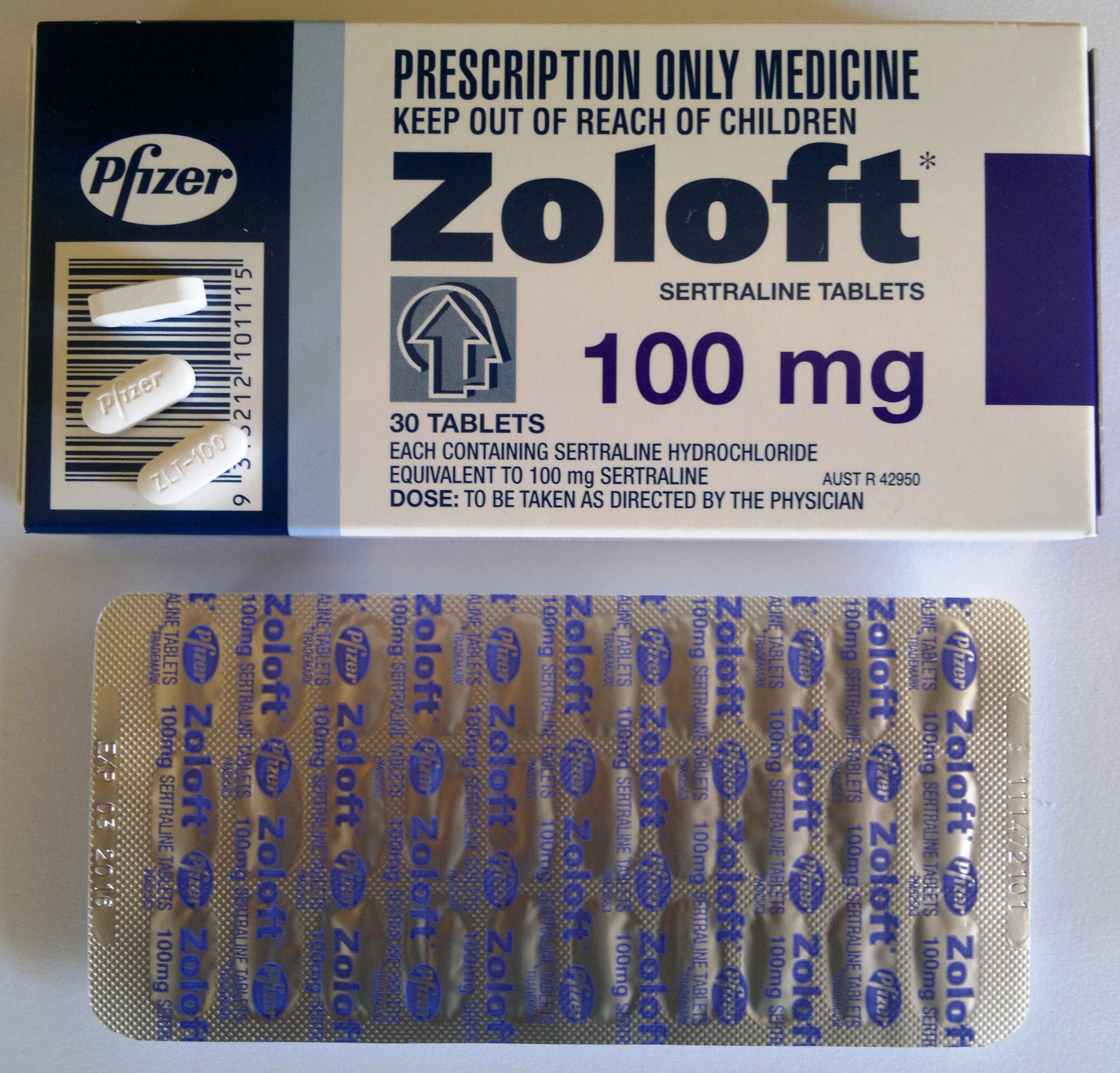
On December 3rd, 2024, the FAA announced a significant update to its Antidepressant Protocol at FAA Grand Rounds: pilots and air traffic controllers can now submit Special Issuance (SI) medical certificate packages after just 3 months on a stable medication dose, down from the previous 6-month requirement.
This is the most pilot-friendly change to the antidepressant policy since 2010, when the FAA first began allowing pilots to fly while taking certain antidepressants under special issuance authorization.
What Changed
The core change is simple but impactful:
Previous requirement: 6 continuous months on a stable antidepressant dose before submitting SI package
New requirement: 3 continuous months on a stable antidepressant dose
This effectively cuts the grounding period in half for pilots who are newly prescribed an approved antidepressant or who change their dosage.
Timeline Evolution
The FAA has progressively reduced barriers to mental health treatment for pilots:
| Year | Required Stability Period |
|---|---|
| 2010 | 12 months (1 year) |
| 2014 | 6 months |
| 2024 | 3 months |
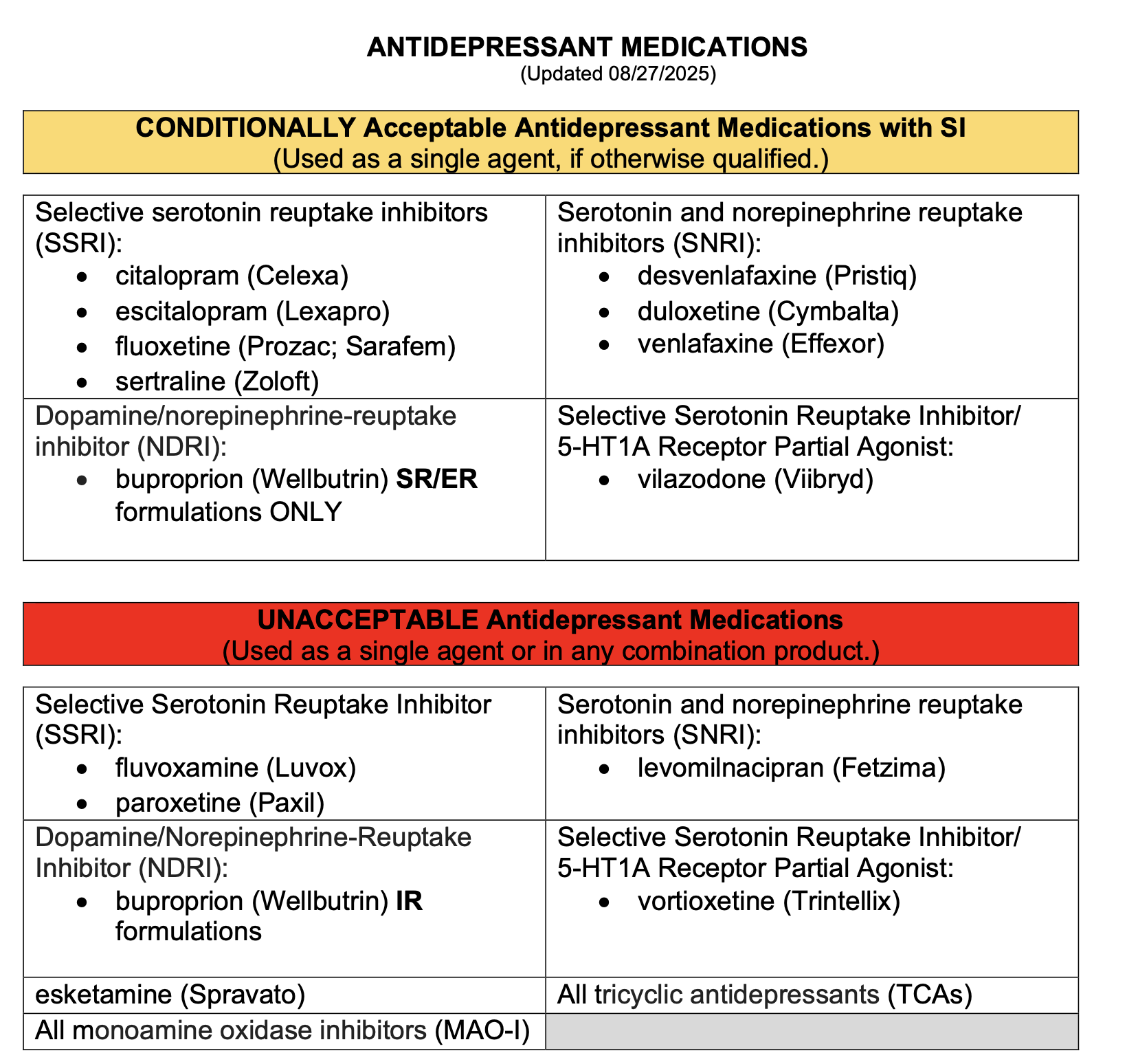
The 9 Conditionally Approved Antidepressants
Not all antidepressants are eligible for Special Issuance. The FAA maintains a specific list of conditionally acceptable antidepressant medications:
SSRIs (Approved since 2010)
- Fluoxetine (Prozac)
- Sertraline (Zoloft)
- Citalopram (Celexa)
- Escitalopram (Lexapro)
NDRI (Added May 2023)
- Bupropion SR/XL (Wellbutrin – extended or sustained release only)
SNRIs (Added April 2024)
- Duloxetine (Cymbalta)
- Venlafaxine (Effexor)
- Desvenlafaxine (Pristiq)
Other
- Vilazodone (Viibryd)
Important: You must be on a single approved medication – combinations are not permitted for Special Issuance consideration.
FAA Antidepressant Medications Reference
View the official FAA document below:
What Does "Stable" Mean?
The FAA took care to define what constitutes "stable" medication status:
- You must be on the same medication and same dose for the full 3 months
- Your treating psychiatrist must consider you stable enough to schedule follow-up appointments at 3-month or longer intervals
- If your psychiatrist says "return in 1 month," the FAA will not consider you stable yet
The key indicator is how frequently your psychiatrist wants to see you. Monthly check-ins suggest ongoing adjustment; quarterly or longer intervals indicate stability.
The Special Issuance Process
Even with the reduced wait time, pilots must still complete the full Special Issuance process:
- Consult with a HIMS AME – This should be your first step. A Human Intervention Motivation Study (HIMS) Aviation Medical Examiner is specifically trained to handle complex mental health cases.
- Maintain 3 months of stability – Stay on your approved medication at a stable dose without adverse effects.
- Complete required evaluations – This includes psychiatric assessment and potentially neuropsychological testing.
- Submit your SI package – Your HIMS AME will coordinate all documentation and submit to the FAA.
- Await FAA decision – Cases are reviewed individually in Washington, D.C.
Ongoing Monitoring Requirements
Once approved for Special Issuance, pilots must maintain ongoing oversight:
- Chief Pilot/Air Traffic Manager reports every 3 months
- HIMS AME evaluations every 6 months
- Psychiatrist reports every 6 months
Over time, as you demonstrate continued stability, the renewal process becomes more streamlined.
Why This Matters
The previous 6-month waiting period was a significant barrier. Pilots would often avoid seeking treatment for depression or anxiety because they knew it meant being grounded for at least half a year – and potentially longer once FAA processing time was factored in.
This change follows recommendations from the Mental Health & Aviation Medical Clearances Aviation Rulemaking Committee (ARC), which actually recommended a 2-month waiting period. The FAA's 3-month policy represents a reasonable compromise between reducing barriers and maintaining safety standards.
"The reduction of time to three months is progress toward reducing the barriers that keep pilots from seeking forms of mental health treatment."
— Mark Larsen, NBAA Director of Safety and Flight Operations
What If I Want to Stop My Medication?
If you choose to discontinue your antidepressant:
- You must be off the medication for a minimum of 60 days
- Your treating physician must provide a favorable report showing stable mood and no side effects
- You may still need psychiatric evaluation before regular issuance
Critical note: If you stop your medication and later need to restart, you will need to complete the full 3-month stabilization period again. Do not stop your medication without first consulting your HIMS AME.
Success Stories
Many pilots – including first-class medical holders flying Part 121 operations for major airlines – are successfully maintaining their careers while on approved antidepressants under Special Issuance. This is not a career-ending situation; it's a manageable process with the right guidance.
Next Steps
If you're a pilot currently taking or considering an antidepressant, here's what you should do:
- Don't hide it. The consequences of non-disclosure are far worse than following the proper pathway.
- Contact a HIMS AME immediately. Get expert guidance before making any medication decisions.
- Ensure you're on an approved medication. If you're on something not on the list, your HIMS AME and psychiatrist can discuss alternatives.
- Document everything. Keep detailed records of your treatment, dosages, and psychiatrist visits.
At Go Flight Medicine, we specialize in helping pilots navigate complex FAA medical certification challenges, including the antidepressant Special Issuance process.
Contact Us for a Consultation