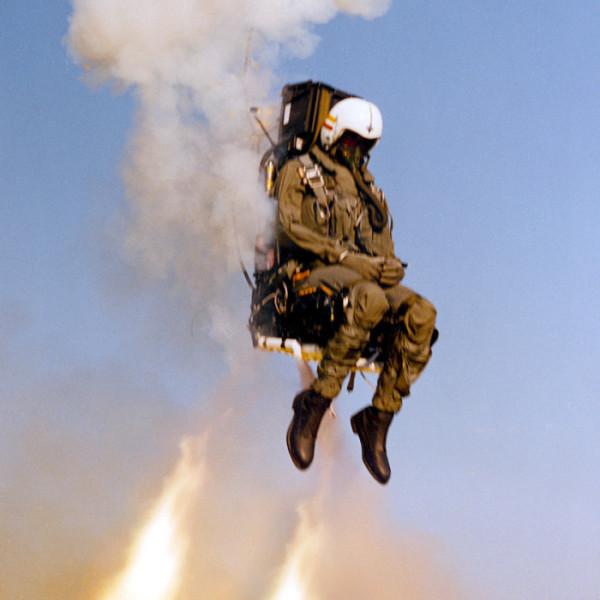

Legislators of the Armed Services Committee recently published comments on the National Defense Authorization Act (NDAA) for Fiscal Year 2015. Under the title 'Ejection Seat Safety and Reliability Improvement Program', legislators demonstrate their concern for aging ejection seats.
They draw attention to the death of an F-16 pilot in Italy who did not survive an ejection sequence in January 2013. There are concerns that the ACES II ejection seats built in the 1970's for legacy fighter aircraft like the F-15 and F-16 may be suffering from fatigue and corrosion.

Most pilots now wear Joint Helmet Mounted Cueing Systems (JHMCS) and Night-Vision Goggles (NVGs) which significantly increase forces on the neck during ejection sequences.
The committee recommended a total of $10.5 million for the Ejection Seat Safety & Reliability Improvement Program.
Questions about pilot medical certification?