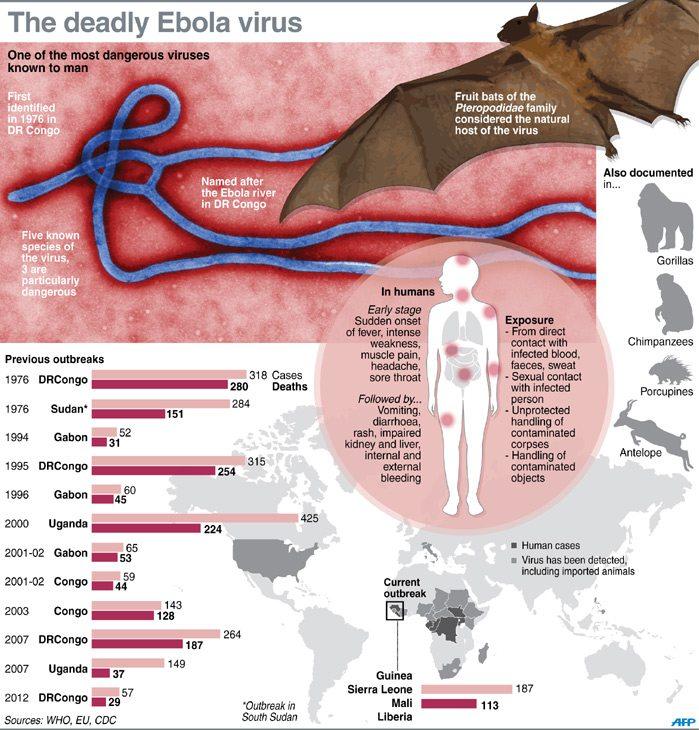

The CDC released guidance to airlines on Ebola on August 11, 2014. Their recommendations emphasize that Ebola IS NOT spread by airborne or respiratory droplets, so risk of rapid global spread remains low.
EBOLA HEMORRHAGIC FEVER
The 2014 outbreak affected Guinea, Sierra Leone, Liberia, and Nigeria. The virus was first identified in 1976 in the Republic of Congo. Symptoms include fever, severe headache, muscle pain, weakness, diarrhea, vomiting, and abdominal pain.

The incubation period is 2 to 21 days after exposure. Because the disease requires direct contact for transmission, people at biggest risk are family members and healthcare workers in close proximity to infected patients.

CDC RECOMMENDATIONS FOR AIRLINES

- Any person exposed to Ebola should not be permitted aboard commercial airliners until 21 days of observation
- Aircraft traveling to affected countries should have a universal precautions kit on board
- Treat any bodily fluids as if contaminated
Need an FAA Medical Exam?